%2Ffit-in%2F250x250%2Fguide_websites%2F1098%2Fimages%2Falloutfishingchartershorizontalblack.png&w=1920&q=100)
/users/db369f63-a0fe-4eff-b11d-842912937da2/ratecard/fb_img_1581016662025-mkd3k41h.jpg)
%2F300x300%2Fusers%2Fdb369f63-a0fe-4eff-b11d-842912937da2%2Fratecard%2Ffb_img_1581016662025-mkd3k41h.jpg&w=256&q=75)
%2F300x300%2Fusers%2Fdb369f63-a0fe-4eff-b11d-842912937da2%2Fimages%2Flarge-fish-cleaning-table-missouri-3097.png&w=256&q=75)
%2F300x300%2Fusers%2Fdb369f63-a0fe-4eff-b11d-842912937da2%2Fimages%2Ffour-blue-catfish-california-2758.jpg&w=256&q=75)
%2F300x300%2Fusers%2Fdb369f63-a0fe-4eff-b11d-842912937da2%2Fimages%2Fbest-great-fishing-missouri-2684.jpg&w=256&q=75)
%2F300x300%2Fusers%2Fdb369f63-a0fe-4eff-b11d-842912937da2%2Fimages%2Fsuccessful-fishing-trip-california-2673.jpg&w=256&q=75)
%2F300x300%2Fusers%2Fdb369f63-a0fe-4eff-b11d-842912937da2%2Fimages%2Fsuccessful-fishing-trip-california-2825.jpg&w=256&q=75)
%2F300x300%2Fusers%2Fdb369f63-a0fe-4eff-b11d-842912937da2%2Fimages%2Ffishing-california-adventure-2730.jpg&w=256&q=75)
%2F300x300%2Fusers%2Fdb369f63-a0fe-4eff-b11d-842912937da2%2Fimages%2Ftwo-people-fishing-missouri-2688.jpg&w=256&q=75)
%2F300x300%2Fusers%2Fdb369f63-a0fe-4eff-b11d-842912937da2%2Fimages%2Ffishing-missouri-adventure-2703.jpg&w=256&q=75)
%2F300x300%2Fusers%2Fdb369f63-a0fe-4eff-b11d-842912937da2%2Fimages%2Ffishing-adventure-california-2631.jpg&w=256&q=75)
%2F300x300%2Fusers%2Fdb369f63-a0fe-4eff-b11d-842912937da2%2Fimages%2Ffour-swordfish-gafftopsail-catfish-missouri-2848.jpg&w=256&q=75)
Top-Rated Night Bowfishing in Mid Missouri
 Missouri
What you will be catching:
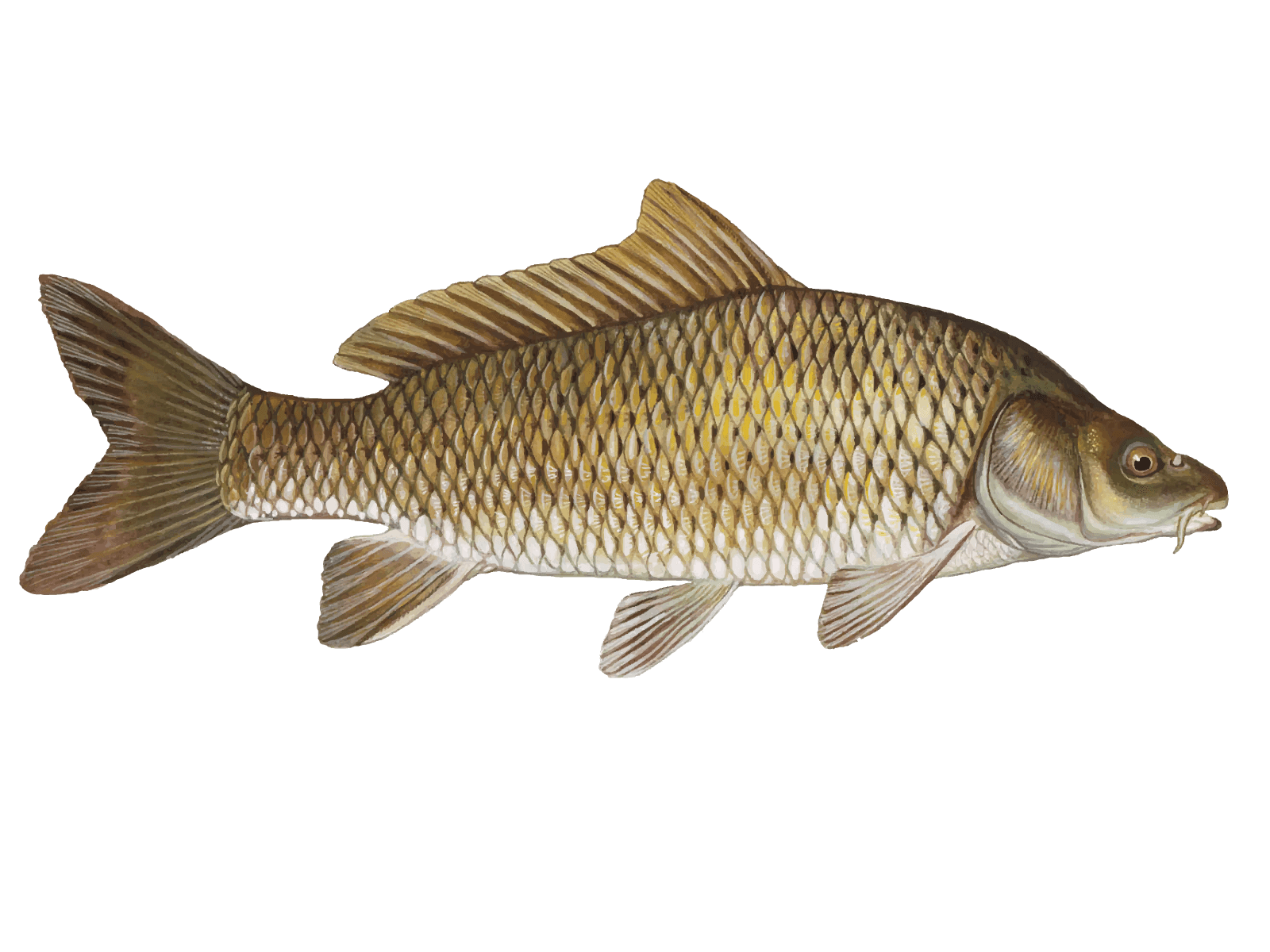
 Common Carp
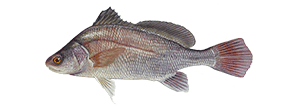
 Freshwater Drum
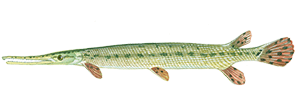 Longnose Gar
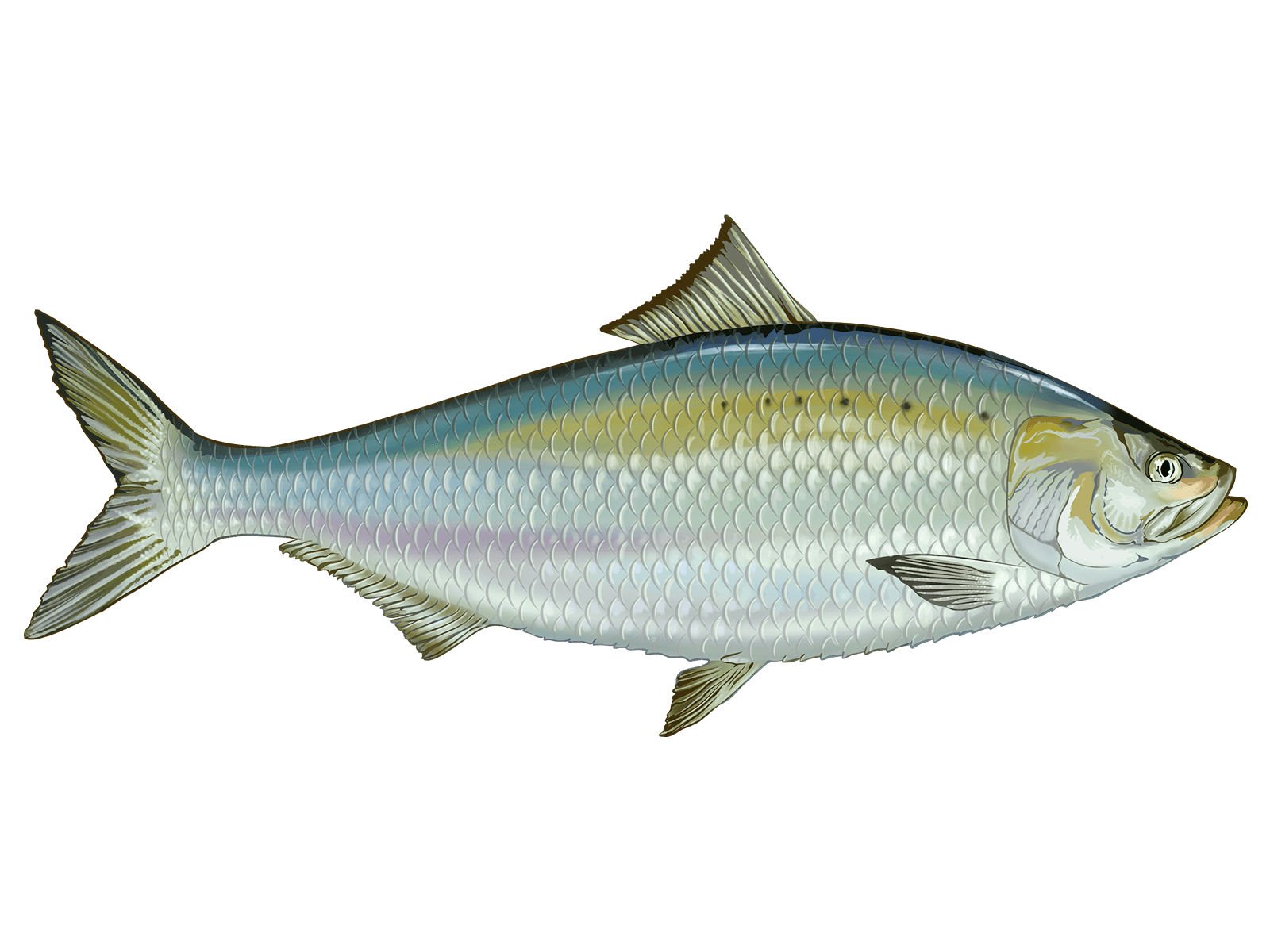
 Shad
Shad
- 4-hour evening bowfishing targeting carp, gar, drum, and shad
- All equipment provided with personalized instruction for 2 guests maximum
- Expert local captain shares prime Mid Missouri fishing locations
Trip Pricing and Availabilities:
Evening Bowfishing in Mid Missouri Waters
Picture this: the sun's setting over Mid Missouri's quiet waters, and you're gearing up for one of the most unique fishing experiences around. Captain Steven's evening bowfishing trips aren't your typical angling adventure. Instead of waiting for a bite, you'll be actively hunting carp, gar, and drum with a bow and arrow as they cruise the shallows under LED lights. It's part fishing, part archery, and totally addictive once you get the hang of it. These 4-hour trips run from dusk into the night, giving you prime time to target species that come alive when the sun goes down.
What to Expect on the Water
Captain Steven knows these Mid Missouri waters like the back of his hand, and he'll get you set up on productive flats and backwaters where rough fish congregate after dark. The boat's equipped with powerful LED arrays that light up the water column, making it easy to spot your targets as they move through the shallows. Don't worry if you've never drawn a bowfishing setup before – Steven provides all the specialized gear and will walk you through proper form and aiming techniques. The learning curve isn't too steep, but there's definitely an art to accounting for light refraction when you're shooting into the water. Most folks start connecting with fish within the first hour, and by the end of the night, you'll be picking off carp like a seasoned pro. Just remember to pack some snacks, sunscreen for the boat ride out, and plenty of bug spray since you'll be working around shallow water where mosquitoes love to hang out.
Bowfishing Gear and Setup
The gear for bowfishing is pretty specialized compared to regular archery equipment. You'll be shooting recurve or compound bows rigged with heavy-duty reels that can handle the shock of arrow impact and fighting fish underwater. The arrows themselves are barbed and attached to braided line, so once you stick a fish, it's not getting away. Steven's got everything dialed in – proper draw weights for clean shots, sharp broadheads that penetrate scales effectively, and backup gear in case something breaks. The boat's lighting system is key to success, casting bright beams into the water to illuminate your targets while minimizing spooking. You'll learn to shoot instinctively and fast since these fish don't hang around long once they sense danger. The whole setup lets you cover water efficiently, moving from spot to spot as conditions change throughout the evening.
Target Species You'll Hunt
Common Carp are the bread and butter of Missouri bowfishing, and for good reason. These golden-bronze fighters can push 20+ pounds in these waters and provide plenty of action once you locate a school. They're most active in the evening hours, moving into shallower areas to feed on bottom vegetation and invertebrates. Carp are surprisingly smart and can be spooky, but their size makes them excellent targets for beginners learning to judge distance and refraction. When you stick a big carp, get ready for a solid fight – they'll peel line and thrash hard before coming to the surface.
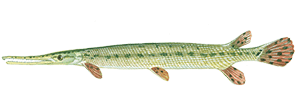
Longnose Gar are the prehistoric-looking predators that really get people excited. These torpedo-shaped fish have been around since the dinosaurs, sporting long, tooth-filled snouts and armor-like scales. Missouri's gar can stretch 3-4 feet long and cruise just under the surface, making them perfect bowfishing targets. They're ambush predators that hang in current breaks and shallow cover, waiting to strike at smaller fish. Landing a gar is always a highlight since they look so alien compared to typical freshwater species, and their ancient appearance makes for great photos.
Freshwater Drum, locally called "sheepshead," are underrated fighters that show up consistently on these evening trips. They're silver-sided fish with a distinctive humpbacked profile and can reach impressive sizes in Missouri waters. Drum are bottom-feeders that move into the shallows to hunt crawfish and mussels as light fades. They're excellent eating if you're planning to keep some fish, with firm white meat that's surprisingly tasty when prepared right. Don't underestimate their fight – drum are strong swimmers that will test your gear.
Shad round out the target list as smaller, more numerous prey that help keep the action steady throughout the night. These silver baitfish school up in massive numbers during certain times of year, creating fast-paced shooting opportunities. While they're not huge, shad are important forage for the lake's gamefish population, and they're fun to target when the bigger species aren't cooperating. They're also excellent bait if you want to try some conventional fishing during slower periods of the bowfishing action.
Book Your Night Hunt
This evening bowfishing adventure offers something completely different from traditional angling – it's active, visual, and incredibly satisfying when you start connecting with targets. Captain Steven's expertise with these Mid Missouri waters and specialized bowfishing techniques gives you the best shot at success, whether you're a complete beginner or looking to improve your skills. The 2-person capacity keeps things intimate and ensures plenty of shooting opportunities for everyone. Remember that deposits are non-refundable, so make sure your schedule is locked in before booking. If you're ready to try something new and want to experience fishing from a totally different angle, this 4-hour evening trip will deliver memories that last long after you head home. The combination of archery skills, fish behavior, and nighttime hunting creates an adventure that's hard to replicate anywhere else.
Learn more about the animals
Common Carp
Common carp are the bread and butter of bowfishing in Mid Missouri. These golden-bronze fish average 15-30 inches and can easily hit 20+ pounds - the kind that'll test your shooting skills. They're hardy bottom feeders that thrive in our slower waters and backwater areas. Spring and fall are prime time when they move shallow to spawn and feed aggressively in schools. What makes carp so popular with my guests is their size and the challenge they present - these fish are strong, smart, and won't give up without a fight once you arrow one. They're also abundant, so even beginners get plenty of opportunities. Here's a local trick: watch for carp "mudding" - when you see cloudy water patches, that's them rooting around the bottom. Position yourself downwind from the mud clouds and wait for them to cruise through the clear water.
Freshwater Drum
Freshwater drum are one of our most reliable targets around Mid Missouri waters. These silver-scaled fish typically run 10-14 inches and 1-8 pounds, though bigger ones show up regularly. They're bottom feeders that love shallow, clear water with some vegetation - perfect for our evening bowfishing setup. You'll hear the males making their signature grunting sounds during spawning season, which is how they earned nicknames like "thunder pumper." They're not flashy fighters, but drum are abundant year-round and great for beginners since they're pretty easy to spot and hit. What I love about targeting drum is their consistency - you can count on finding schools of them feeding near the bottom. Pro tip: look for muddy water patches where they're stirring up the bottom while feeding on clams and crayfish.
Longnose Gar
Longnose gar are the prehistoric-looking fish that always get guests talking. With their long, narrow snouts and torpedo-shaped bodies, these olive-green predators typically stretch 28-48 inches and can surprise you with their size. They're ambush hunters that like to hang around vegetation and structure in our backwaters and slower river sections. Evening trips work great since gar are naturally more active at night, cruising near the surface where they're easier to spot. What makes gar special is their fight - they're strong, they jump, and they put on a real show once you connect. Plus, they're living fossils that can actually breathe air, which makes for interesting conversations on the water. Here's my go-to strategy: look for them lying motionless near cover, especially fallen trees or weed lines. They'll hold perfectly still until they strike, so patience pays off when you're lining up your shot.
Shad
Shad are silvery schooling fish that make for fast-paced bowfishing action when conditions are right. These guys typically run 20-24 inches but can stretch to 30 inches and 12 pounds. They're social fish that travel in tight groups, so when you find one, you'll usually find more nearby. Spring through fall is your best bet, especially when they're moving into shallower water near shorelines to avoid heavy current. What guests love about shad is the quick shooting opportunities - they move together in schools, giving you multiple targets in a short window. They've got that classic forked tail and distinctive row of dark spots behind their heads that make them easy to identify in the water. My advice: when you spot a school, get ready fast because they don't stick around long in one spot. Focus on the edges of the group where stragglers are easier to target.
About the Toruk "Last Shadow"
%2F%2Fusers%2Fdb369f63-a0fe-4eff-b11d-842912937da2%2Fvehicle_picture%2Fsteveboatgray.jpg&w=1920&q=75)
Vehicle Guest Capacity: 4
Manufacturer Name: Yamaha
Maximum Cruising Speed: 35
Number of Engines: 1
Horsepower per Engine: 115
Captain Steven's bowfishing setup is perfect for night adventures on Mid Missouri waters. This specialized inshore boat comfortably handles 2 guests and comes fully rigged with bowfishing lights that illuminate the water for targeting carp, gar, freshwater drum, and shad. The stable platform gives you solid footing for accurate shots, while the quiet motor lets you move between productive spots without spooking fish. All bowfishing gear is included - bows, arrows, and safety equipment - so you just need to bring snacks and bug spray. The boat's layout makes it easy for beginners to learn proper technique while giving experienced bowfishers room to work. Four hours flies by when you're spotting fish in the lights and watching arrows find their mark. Steven knows the best locations and timing to put you on active fish during these evening hunts.